Author: Roger Walker

AI gadgets are everywhere in 2026. Smart glasses, voice assistants, translation earbuds, writing tools, and automation devices promise to save time and boost productivity. But most budget buyers face one serious problem: many “AI gadgets” are overpriced, underpowered, or just marketing hype. This creates confusion. Should you buy a smart assistant device? A wearable AI translator? A portable AI note-taker? Or something else entirely?

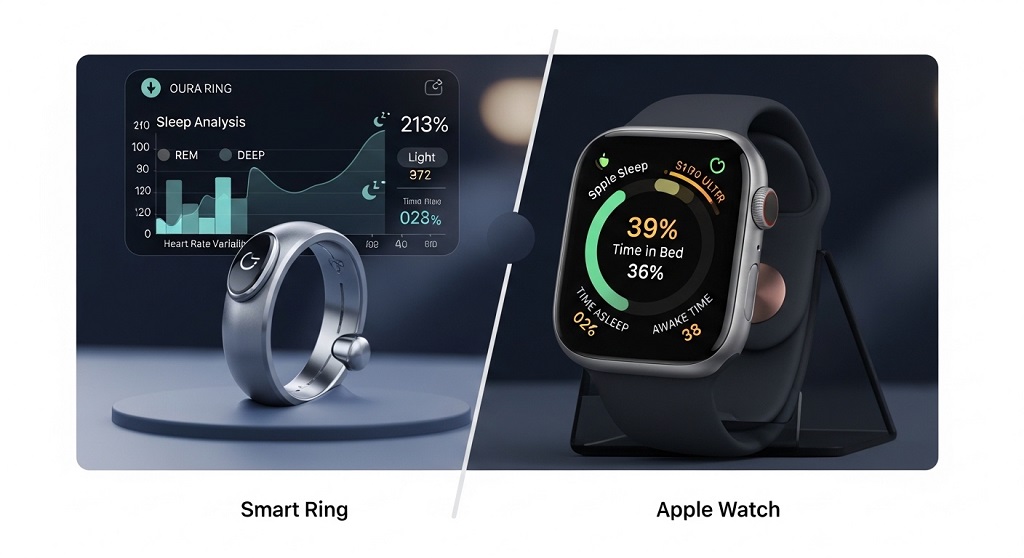
If your goal is accurate, comfortable, and consistent sleep tracking, both smart rings and the Apple Watch can help—but they serve different users. A smart ring is better for passive overnight tracking with minimal distraction. The Apple Watch is better if you also want health apps, notifications, workouts, and daily smartwatch features. Sleep tracking matters because poor sleep affects memory, mood, metabolism, and productivity. According to data from the Centers for Disease Control and Prevention (CDC), about one-third of adults do not get enough sleep regularly. Wearable sleep trackers help identify patterns such as sleep duration, restlessness, and recovery readiness.


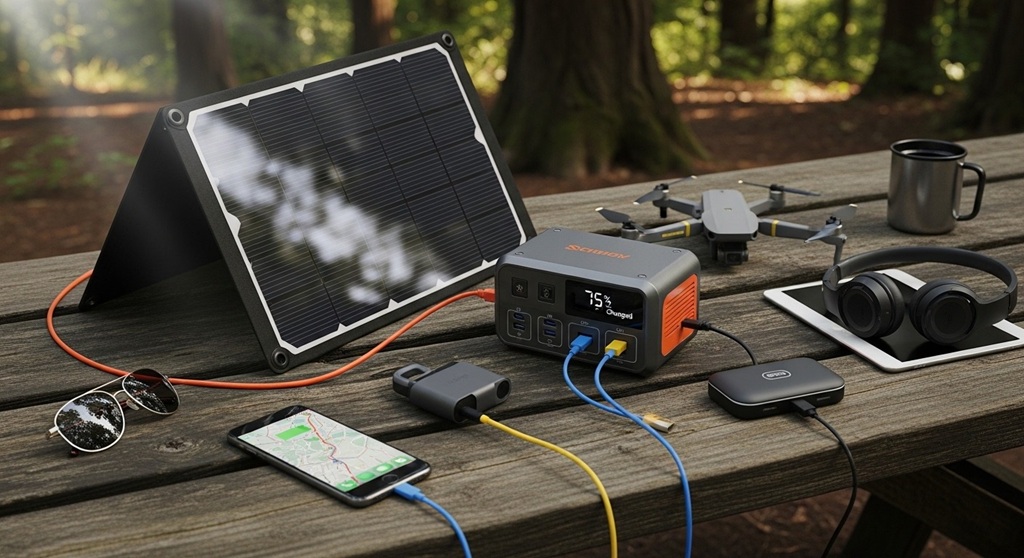
Traveling with tech gear requires constant power to keep your devices running. Whether you're navigating with a GPS, working remotely, or staying connected with loved ones, having a reliable power system can be a lifesaver. But how do you set up a portable power system that suits your needs and keeps your devices charged while on the go? In this guide, we’ll walk you through everything you need to know about setting up a portable power system for travel tech. From selecting the right portable power bank to managing multiple devices, we’ll cover it all to ensure you're never caught without power during your travels.

Solar technology has transformed from an expensive luxury into an accessible everyday solution. Homeowners can now harness the sun's power through dozens of practical gadgets. These devices reduce electricity bills while contributing to environmental conservation. Moreover, solar gadgets continue to improve in efficiency and affordability each year.

Picture this: You receive a urgent voicemail from your boss, but the transcription reads like gibberish. Frustration builds as you replay the message multiple times. Google Pixel voicemail transcription turns spoken words into text, saving time and effort. This feature uses advanced AI to analyze audio and produce readable transcripts. However, accuracy can vary based on several factors.