



19 May Even Realities Smart Glasses Review: The Problems Nobody Talks About
Smart glasses are supposed to feel like the future. Sleek design, AI assistance, translation tools, productivity features, and hands-free convenience all sound exciting on paper. That is exactly why many people become interested in Even Realities’ smart glasses.
At first glance, the marketing looks impressive. The company promotes futuristic AI features, live conversation tools, smart notifications, translation support, and productivity-focused experiences that make the glasses seem like a premium next-generation wearable.
But after using the glasses for several months, many users are discovering a very different experience from what was advertised.
This article covers the real-world problems, frustrations, limitations, and usability issues people are experiencing with Even Realities’ smart glasses. If you are considering spending over $700–$800 on these AI glasses, this breakdown may help you decide whether they are actually worth the price.
What Are Even Realities Smart Glasses?
Even Realities’ smart glasses are AI-powered wearable glasses designed to combine productivity, communication, and augmented reality features into a lightweight eyewear experience.
The glasses focus heavily on:
- AI assistant functionality
- Conversation tools
- Translation support
- Quick tasks and productivity shortcuts
- Minimalist heads-up display technology
- Voice-based controls
Unlike some competitors, Even Realities attempts to prioritize subtle design and lightweight aesthetics instead of bulky AR hardware.
Unfortunately, the real-world execution leaves many users disappointed.
The Biggest Problem: The AI Feels Primitive and Unreliable
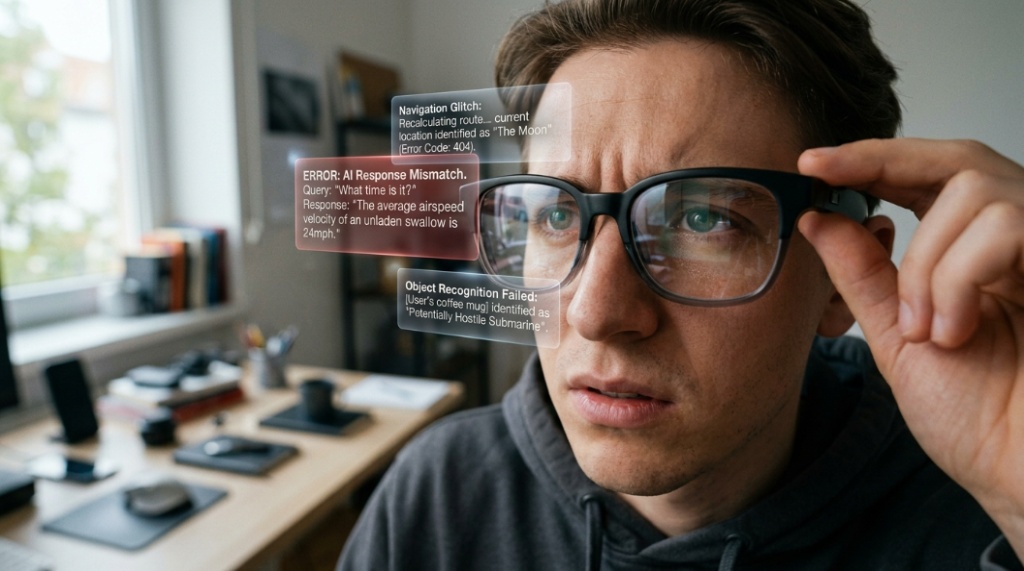
One of the main selling points of Even Realities glasses is the built-in AI assistant. Unfortunately, this is also one of the weakest parts of the entire experience.
The AI Often Gives Irrelevant Answers
In daily use, the AI frequently produces responses that have little or nothing to do with the original question. Instead of providing accurate contextual assistance, the assistant often misunderstands prompts or responds with generic information.
This becomes frustrating quickly because smart glasses rely heavily on speed and convenience. If users constantly need to repeat themselves, the product loses much of its usefulness.
The AI Struggles With Follow-Up Questions
Another major issue is how poorly the AI handles conversational context.
When users try to:
- Correct the AI
- Clarify a question
- Request a better answer
- Ask follow-up questions
The assistant often fails to adapt properly.
In many cases, it is either:
- Stops responding
- Closes unexpectedly
- Repeats the same error message
- Claims it cannot understand the request
This creates an experience that feels far behind modern AI assistants available on smartphones.
The Repetitive Intro Phrase Makes the AI Feel Outdated
One surprisingly annoying detail is the repeated introduction phrase:
“I am Even AI, developed by Even Realities.”
The assistant frequently says this before answering basic questions.
While this may sound minor initially, hearing the same robotic introduction repeatedly makes the system feel primitive and unfinished. Premium AI products should feel natural and fluid, not repetitive and scripted.
The Conversational Features Are Extremely Inconsistent

Another major feature advertised by Even Realities is its conversation support system.
In theory, this should help users:
- Follow conversations
- Capture information
- Receive contextual assistance
- Improve productivity during meetings
Unfortunately, the actual performance is inconsistent at best.
Voice Recognition Often Fails
The glasses frequently struggle to accurately hear or process what people are saying.
This creates several problems:
- Missed information
- Incorrect summaries
- Delayed responses
- Confusing AI outputs
For a product centered around voice interaction, this becomes a serious weakness.
Responses Are Too Slow
Even when the glasses understand speech correctly, the AI often takes too long to generate useful information.
In real conversations, delays matter.
If the glasses take several seconds to process simple requests, the interaction no longer feels seamless or practical.
The Fact-Checking Feature Barely Works
One advertised capability involves helping verify information during conversations.
However, many users report that the fact-checking functionality feels either inaccurate or practically nonexistent.
Instead of delivering reliable contextual insights, the assistant often produces vague or irrelevant responses.
According to the official specifications published by Even Realities, the glasses focus on AI-powered productivity features, translation tools, and a lightweight design.
The Display Area Is Surprisingly Small
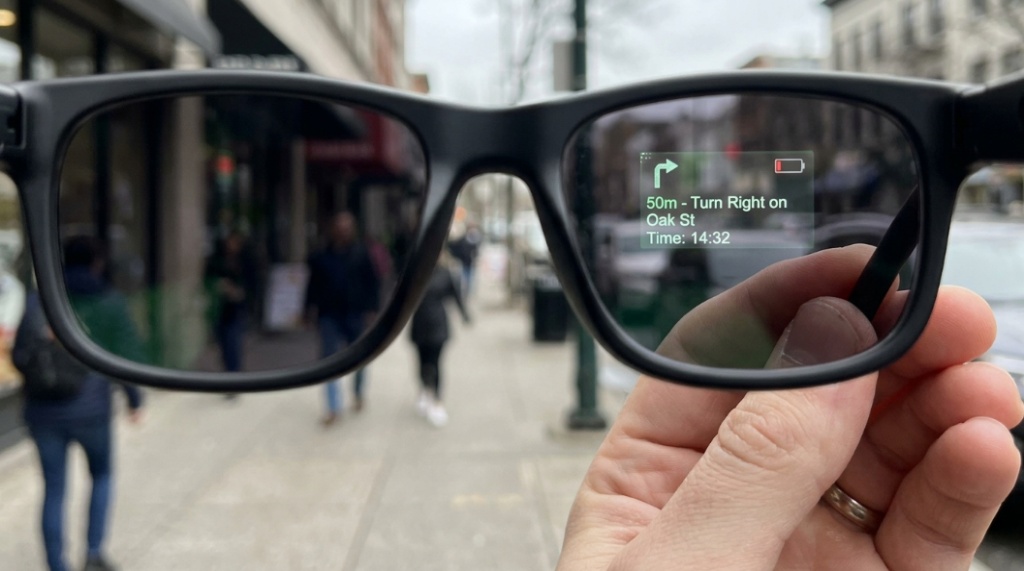
The display system is another major complaint among users.
While the idea of a subtle heads-up display sounds impressive, the usable viewing area is much smaller than expected.
You Must Position the Glasses Perfectly
To fully see the display, the glasses often need to sit in an extremely precise position on the face.
If the fit shifts even slightly:
- The corners become dim
- Parts of the display disappear
- The viewing experience becomes inconsistent
This creates constant adjustment issues during normal use.
The Display Could Have Been Larger
Many users believe this problem could have been solved with a larger display area.
Instead, the small projection zone makes the interface feel restrictive and difficult to use comfortably over long periods.
For a product in this price range, users expect a far more polished visual experience.
Even Hub Apps Are Glitchy and Unreliable
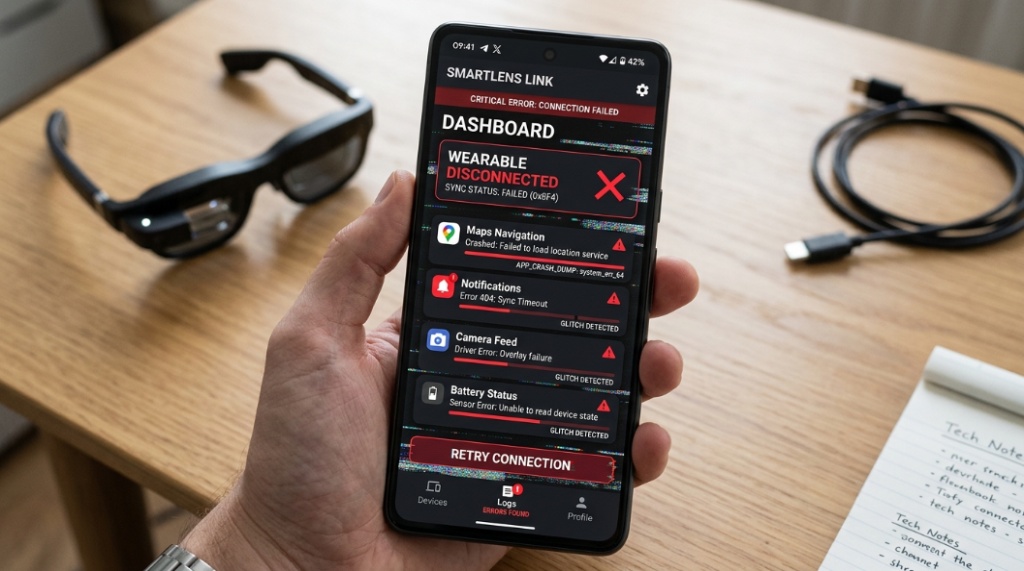
The Even Hub ecosystem is another heavily marketed selling point.
Since the platform is still relatively new, some instability is understandable. However, the current experience feels far too unfinished for a premium product.
Many Apps Simply Do Not Work
Users commonly report that applications inside Even Hub:
- Crash immediately
- Refuse to open
- Freeze during use
- Become unusable due to glitches
In some cases, two out of three apps may fail.
This significantly reduces the usefulness of the ecosystem.
The Software Feels Unpolished
Even when applications technically function, the software experience often feels unfinished.
Problems include:
- Buggy navigation
- Slow responsiveness
- Random crashes
- Poor optimization
For early adopters, occasional bugs may be acceptable. But at an $800 price point, users expect stable core functionality.
No Voice Reply Feature Is a Huge Missed Opportunity
One confusing limitation is the inability to reply to messages using voice commands.
Considering the glasses rely heavily on:
- Voice controls
- AI interaction
- Hands-free operation
It feels strange that voice replies are missing.
This seems like one of the most basic smart glasses features possible.
Users naturally expect to:
- Respond to texts
- Send quick replies
- Interact hands-free
Without this capability, the ecosystem feels incomplete.
The Lack of Built-In Speakers Hurts the Experience
Another surprising omission is the absence of integrated speakers.
Many competing smart glasses products include audio systems for:
- Music playback
- Notifications
- Voice feedback
- Calls
- AI responses
Without speakers, the Even Realities glasses lose much of the immersive smart wearable experience users expect.
This also limits convenience because users often need to rely on external devices instead of the glasses themselves.
The Few Features That Actually Work Well
To be fair, not everything about the glasses is bad.
Some features genuinely show potential.
Quick Tasks Can Be Useful
The quick task functionality is one of the more practical parts of the system.
For simple productivity actions, the glasses can occasionally feel convenient and futuristic.
The Translation Feature Is Impressive
Translation support is another area where the glasses can provide real value.
When functioning properly, this feature demonstrates the potential of AI-powered wearable technology.
Conversation Summaries Have Potential
The conversation feature can sometimes help gather and organize information from discussions.
However, this only works consistently when the system properly recognizes speech and avoids glitches.
The issue is not that the ideas are bad.
The problem is that the execution feels incomplete and unreliable.
Comfort Problems Become Noticeable Over Time

Comfort is another issue that many users overlook initially.
During short sessions, the glasses may feel acceptable.
But after extended wear, problems become more noticeable.
Nose Pressure and Ear Discomfort
Some users report:
- Nose indentations
- Ear pressure
- General discomfort during long sessions
For regular eyewear users, long-term comfort is extremely important.
If smart glasses become uncomfortable after extended use, people are less likely to wear them consistently.
Even Realities vs Competitors
One of the biggest reasons users feel disappointed is that competing smart glasses products are advancing quickly.
Compared to competitors, Even Realities currently struggles in several key areas.
| Feature | Even Realities | Competing Smart Glasses |
|---|---|---|
| AI Reliability | Inconsistent and often inaccurate | Generally more refined |
| Voice Commands | Limited and unreliable | Usually faster and smoother |
| Built-In Audio | No speakers | Often included |
| App Ecosystem | Buggy and unstable | More mature platforms |
| Comfort | Mixed experiences | Varies by brand |
| Display Experience | Small visible area | Often better optimized |
| Price-to-Value Ratio | Questionable | Generally stronger |
Why the Price Feels Hard to Justify
At roughly $700–$800 with prescription lenses, expectations become extremely high.
Users expect:
- Reliable AI
- Stable software
- Premium comfort
- Strong voice controls
- Polished ecosystem integration
Instead, many users feel like they received a beta product rather than a finished premium wearable.
The biggest frustration is that the product clearly has potential.
The core concepts are interesting.
The hardware design is promising.
Some features genuinely feel futuristic.
But the software experience and missing functionality prevent the glasses from fully delivering on that promise.
If you’re trying to decide between Even Realities and one of its biggest competitors, our detailed Meta Ray-Ban vs Even Realities G2 comparison breaks down the differences in AI features, display technology, comfort, audio capabilities, and overall value.
Who Might Still Like Even Reality Glasses?
Despite the criticism, the glasses may still appeal to certain users.
You may enjoy them if you:
- Love testing early technology
- Enjoy experimental AI gadgets
- Value lightweight design
- Primarily want translation tools
- Do not mind software instability
Early adopters sometimes accept limitations in exchange for experiencing new technology before it becomes mainstream.
However, average consumers expecting a polished, premium smart glasses experience may feel disappointed.
Final Verdict: Promising Technology Held Back by Poor Execution
Even Reality’s smart glasses showcase interesting ideas and genuine innovation potential.
The problem is that too many core systems feel unfinished.
The AI struggles with reliability.
The conversational tools are inconsistent.
The app ecosystem feels unstable.
The display area is restrictive.
Missing features like voice replies and built-in speakers make the glasses feel incomplete.
For a product costing around $800, users expect significantly more refinement and reliability.
At their current state, Even Realities glasses feel more like an early prototype for future smart glasses rather than a polished, premium wearable ready for mainstream adoption.
If the company improves the software, stabilizes the AI, expands the ecosystem, and refines the user experience, future versions could become genuinely competitive.
But right now, many buyers may struggle to justify the high price compared to the limited real-world value they receive.
