


25 Jun How Dallas, TX Schools Prepare Students for Tech Careers
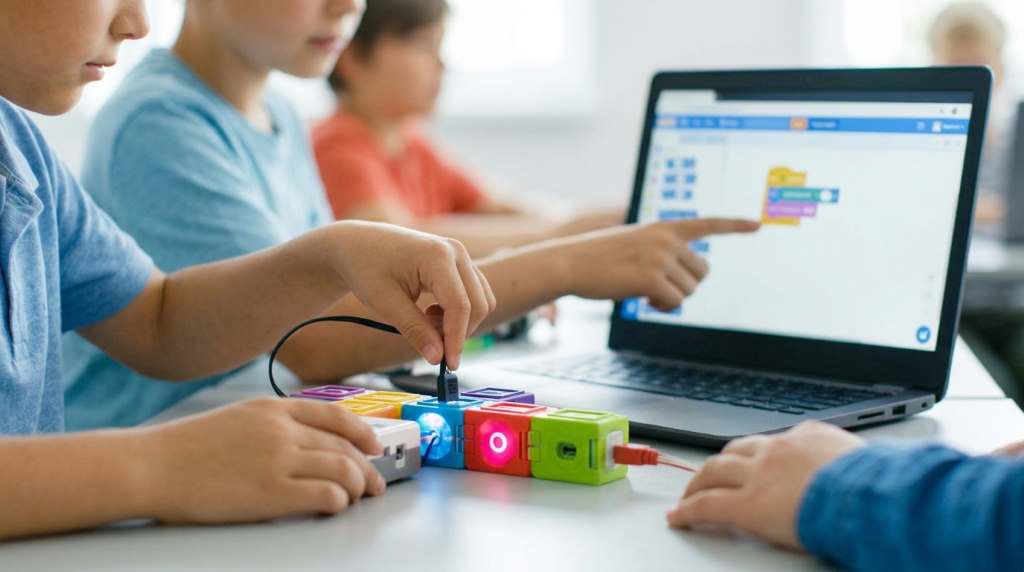
The technology industry continues to reshape how people work, learn, and solve problems. As a result, schools across Dallas are adapting their educational strategies to prepare students for careers that may not have existed a decade ago. According to the U.S. Bureau of Labor Statistics, computer and information technology occupations are projected to grow faster than average over the coming years. Meanwhile, the National Science Foundation continues to emphasize the importance of STEM education in building a competitive workforce. Within this changing landscape, Dallas schools increasingly expose students to robotics engineering disciplines, coding, data science, and digital innovation from an early age. These efforts help students gain practical skills and confidence before entering college or the workforce.
The Growing Demand for Technology Skills in Dallas
Dallas has become one of the strongest technology hubs in Texas. Many major employers continue to expand their operations across the region, creating demand for workers with technical expertise. Consequently, local schools recognize the need to align education with future workforce requirements.
Technology companies increasingly seek employees who can think critically, analyze data, collaborate effectively, and adapt to new tools. Therefore, educators focus on building these abilities throughout the student journey. Instead of limiting technology education to a single computer class, many schools integrate digital skills into multiple subjects.
Students also gain exposure to real world innovations through STEM competitions, coding clubs, and technology demonstrations. For example, discussions about autonomous systems often reference developments similar to anki drive toy cars that help learners understand artificial intelligence and machine learning concepts.
How STEM Programs Create a Strong Foundation
STEM education serves as the backbone of technology readiness in many Dallas schools. Science, technology, engineering, and mathematics programs encourage students to explore problems through experimentation and logical thinking.
Hands On Learning Experiences
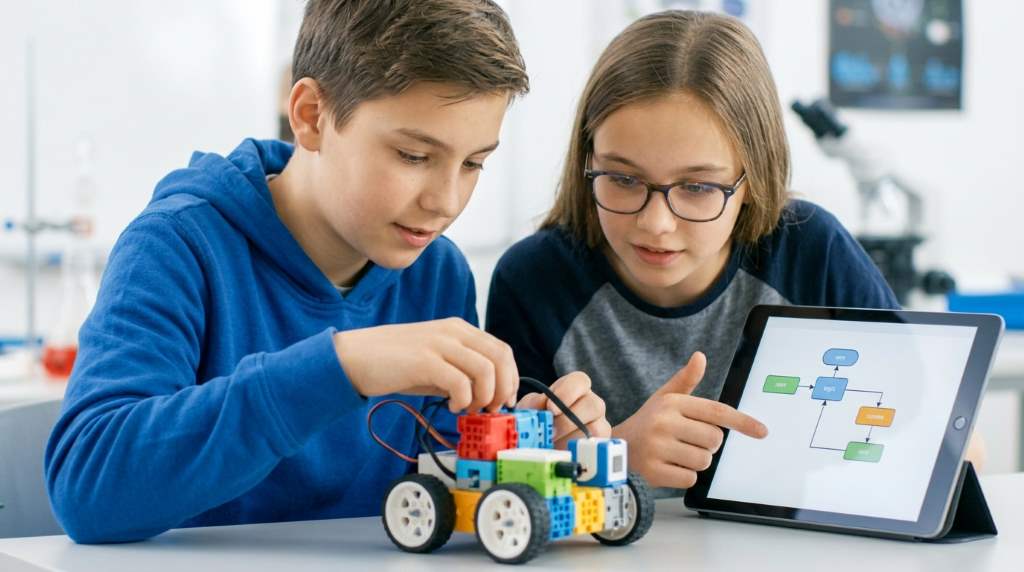
Rather than relying solely on textbooks, teachers often use project based activities. Students build prototypes, conduct experiments, and test solutions to real challenges. This approach helps them connect classroom knowledge with practical applications.
When students design simple robots or develop coding projects, they learn persistence and problem solving. These experiences mirror the challenges they may encounter in future careers.
Early Exposure to Engineering Concepts
Many Dallas schools introduce engineering principles during elementary and middle school. Young learners investigate how machines work, explore design processes, and practice teamwork.
As students progress through higher grade levels, they often tackle more advanced projects involving electronics, automation, and programming. This gradual progression builds confidence and technical competence over time.
Coding and Computer Science Education in Modern Classrooms
Computer science education has become a priority across many school districts. Students no longer learn only how to use software. Instead, they learn how technology functions behind the scenes.
Programming Skills for Future Careers
Many schools offer courses that introduce programming languages and software development concepts. Students learn to write code, identify errors, and create digital solutions.
These experiences support future careers in software development, cybersecurity, data analytics, and cloud computing. Furthermore, coding strengthens logical reasoning skills that benefit students in many professions.
Artificial Intelligence Awareness
Artificial intelligence continues to influence industries ranging from healthcare to finance. Therefore, educators increasingly discuss AI concepts within technology courses.
Students examine how algorithms make decisions and explore ethical questions surrounding automation. Additionally, they analyze innovations similar to robot trying emotions systems that demonstrate how machines interact with people.
Career and Technical Education Pathways
Career and Technical Education programs provide another important pathway for students interested in technology careers. These programs combine academic instruction with industry focused training.
Industry Relevant Coursework
Students can often choose specialized pathways related to information technology, software development, engineering, networking, and cybersecurity. Through these programs, learners gain practical knowledge that complements traditional academic subjects.
Many courses include hands on projects that simulate workplace scenarios. As a result, students become familiar with professional expectations before graduation.
Professional Certifications
Some Dallas schools help students prepare for recognized technology certifications. These credentials can strengthen college applications and improve employment opportunities.
Certification pathways also encourage students to develop discipline and technical expertise while still in high school.
The Role of Robotics and Automation Programs
Robotics education has become increasingly popular throughout Dallas schools. Students enjoy the challenge of designing machines that perform specific tasks while learning valuable engineering concepts.
Building Technical and Soft Skills
Robotics projects require more than technical knowledge. Students must communicate effectively, divide responsibilities, and manage deadlines.
Because of this collaborative environment, robotics programs help learners strengthen leadership and teamwork abilities alongside technical skills.
Understanding the Future Workplace
Automation continues to transform industries around the world. Consequently, students benefit from understanding both the possibilities and limitations of robotic systems.
Classroom discussions frequently examine careers and responsibilities that technology may influence. Learners may also explore examples similar to professions that robots may struggle to replace, helping them understand the importance of human creativity and critical thinking.
Partnerships Between Schools and Technology Companies
One of the most effective strategies used by Dallas schools involves collaboration with local businesses and industry leaders. These partnerships help bridge the gap between classroom learning and workforce expectations.
Guest Speakers and Mentorship Programs
Technology professionals often visit schools to share career experiences and industry insights. Students gain a better understanding of different career paths while learning about emerging technologies.
Mentorship opportunities can also provide valuable guidance regarding college preparation, internships, and professional development.
Work Based Learning Opportunities
Many schools participate in internship and job shadowing programs. Through these experiences, students observe workplace environments and apply classroom knowledge in practical settings.
Exposure to professional environments often helps students make informed career decisions and identify areas of interest.
Digital Literacy as a Core Educational Skill
Future technology careers require more than programming expertise. Students must also understand how to evaluate information, communicate online responsibly, and use digital tools effectively.
Responsible Technology Use
Dallas schools increasingly teach digital citizenship concepts. Students learn about privacy, cybersecurity, online ethics, and responsible social media use.
These lessons help prepare learners for both professional and personal success in a technology driven world.
Research and Data Skills
Modern careers often require employees to interpret information and make data driven decisions. Therefore, students practice collecting, analyzing, and presenting data throughout their academic experience.
Such skills support future success in fields ranging from business intelligence to software engineering.
Preparing Students for Careers That Do Not Yet Exist
One unique challenge facing educators involves preparing students for jobs that may emerge years from now. Technology evolves rapidly, making adaptability one of the most valuable career skills.
Developing Lifelong Learners
Schools encourage curiosity and continuous learning rather than focusing solely on specific technologies. This mindset helps students remain flexible as industries change.
When graduates enter the workforce, they often encounter tools and systems that differ from those used during school. However, strong learning habits enable them to adapt successfully.
Encouraging Innovation and Creativity
Creative thinking remains essential despite advances in automation. Students who can generate new ideas and solve unfamiliar problems will continue to play important roles in future workplaces.
Therefore, many Dallas schools prioritize innovation challenges, entrepreneurial projects, and collaborative learning experiences that foster original thinking.
Conclusion
Dallas schools prepare students for future tech careers by combining STEM education, computer science instruction, robotics programs, career focused pathways, and industry partnerships. These initiatives help students develop technical knowledge alongside communication, problem solving, and adaptability skills. As technology continues to evolve, schools increasingly focus on preparing learners for long term success rather than specific job titles. Students who take advantage of these opportunities can build a strong foundation for future careers in technology and beyond. Explore available STEM programs, coding clubs, and career pathways to begin building valuable skills today.
Frequently Asked Questions
What technology skills do Dallas students learn in school?
Students commonly learn coding, robotics, engineering concepts, digital literacy, data analysis, and cybersecurity fundamentals.
Why is STEM education important for future careers?
STEM education develops critical thinking, problem solving, and technical skills that many growing industries require.
Do Dallas schools offer robotics programs?
Many schools provide robotics clubs, competitions, and classroom projects that teach engineering and automation concepts.
How do schools connect students with technology companies?
Schools often partner with businesses through mentorship programs, guest speakers, internships, and job shadowing opportunities.
Can students prepare for tech careers before college?
Yes. High school technology courses, certifications, STEM activities, and career focused programs help students gain valuable experience early.
