


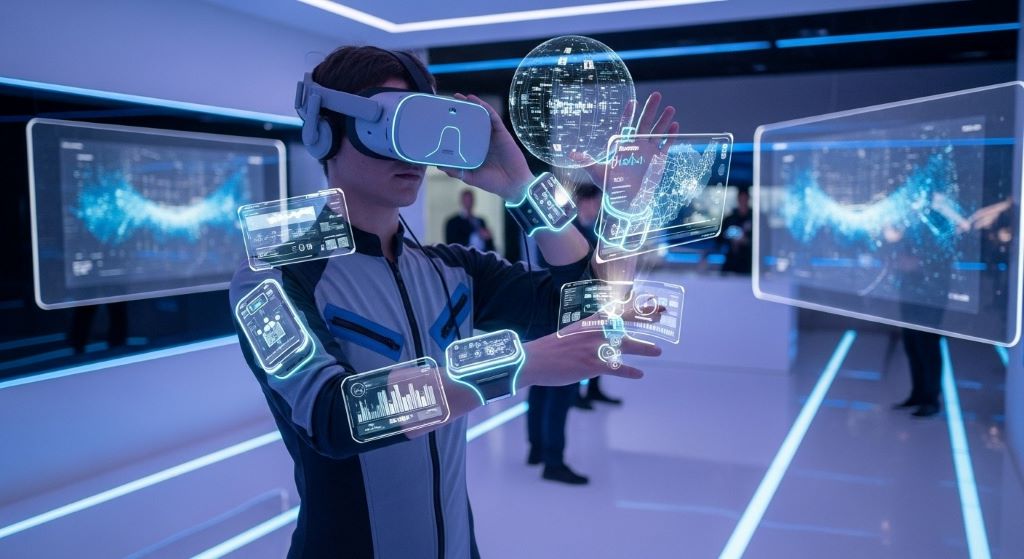
02 Feb How to Explore Futuristic Devices with Gadgets Hyperlogic Insights
The technology landscape evolves at breathtaking speed, introducing devices that seemed impossible just years ago. Understanding futuristic gadgets requires more than casual browsing. A systematic, logical approach helps consumers and enthusiasts navigate emerging technologies effectively.
This guide explores methods for discovering, evaluating, and understanding cutting-edge devices. Additionally, it provides frameworks for applying hyperlogic thinking to gadget exploration, ensuring informed decisions about tomorrow’s technology today.
Understanding Hyperlogic Approaches to Technology
Hyperlogic thinking combines systematic analysis with forward-thinking perspectives. This approach examines not just what devices do, but how they’ll integrate into future ecosystems. Therefore, hyperlogic insights reveal deeper patterns in technological evolution.
Traditional gadget reviews focus on current features and specifications. However, hyperlogic analysis considers convergence trends, ecosystem dependencies, and long-term viability. This broader perspective helps identify truly transformative devices versus temporary novelties.
Applying hyperlogic means questioning underlying assumptions about technology. Why does this device exist? What problem does it solve? How might it evolve? These questions reveal whether innovations represent genuine progress or marketing hype.
Identifying Truly Futuristic Devices
Futuristic devices introduce capabilities previously unavailable or significantly advance existing technologies. Incremental updates to smartphones don’t qualify as futuristic, though breakthrough features like foldable screens do. The distinction matters when investing time and money in new gadgets.
Revolutionary devices often emerge from research labs and startup companies before mainstream adoption. Consequently, exploring futuristic technology requires looking beyond established brands. University technology transfer offices, accelerator showcases, and innovation competitions reveal emerging devices years before market availability.
Patent databases provide glimpses into companies’ future product pipelines. Major tech firms file patents for devices still in development. Moreover, patent language describes problems these inventions solve, offering hyperlogic insights into technological trajectories.
Crowdfunding platforms like Kickstarter and Indiegogo showcase innovative gadgets seeking market validation. While not all projects succeed, these platforms reveal consumer interest in specific technology categories. Additionally, successful campaigns often predict mainstream trends within two to three years.
Following Technology Trend Forecasters and Analysts
Professional analysts dedicate careers to identifying emerging technology patterns. Gartner’s Hype Cycle tracks technologies from innovation through mainstream adoption. This framework helps distinguish genuinely transformative devices from overhyped products.
Technology publications employ specialist writers covering specific device categories. Sites like The Verge, Ars Technica, and Wired provide in-depth analyses of emerging gadgets. Their expert perspectives apply hyperlogic thinking, examining devices within broader technological contexts.
Industry conferences showcase upcoming devices before public release. CES, Mobile World Congress, and specialized events like SXSW feature innovation showcases. Virtual attendance options make these events accessible to gadget enthusiasts worldwide.
Research firms publish detailed reports on technology trajectories. IDC, Forrester, and McKinsey analyze market forces shaping device development. Therefore, their insights reveal which futuristic concepts will achieve commercial viability.
According to MIT Technology Review, breakthrough technologies often share common characteristics including solving significant problems, demonstrating clear advantages over existing solutions, and showing potential for widespread adoption.
Exploring Devices Through Hands-On Experience
Reading about futuristic devices provides limited understanding compared to direct interaction. Technology stores, museums, and pop-up experiences offer opportunities to test emerging gadgets. Hands-on exploration reveals usability issues and unexpected benefits that specifications don’t convey.
Makerspaces and innovation labs provide access to experimental devices and development tools. These community spaces often house 3D printers, VR systems, robotics equipment, and other futuristic technologies. Moreover, members share knowledge about emerging device categories.
Beta testing programs invite users to trial unreleased products. Companies like Google, Apple, and Microsoft recruit testers for experimental devices and features. Consequently, beta participants gain early access while providing valuable feedback shaping final products.
Technology rental services allow temporary access to expensive futuristic devices. Rent-a-Center, Lumoid, and specialized services offer short-term rentals of emerging technologies. This option enables evaluation before purchasing cutting-edge gadgets.
Analyzing Device Ecosystems and Integration
No device exists in isolation. Futuristic gadgets derive value from ecosystem integration and interoperability. Therefore, hyperlogic analysis examines how devices connect with existing technology infrastructure.
Smart home devices illustrate ecosystem importance. Individual gadgets provide limited value, but integrated systems create powerful automation. Similarly, wearable devices gain functionality through smartphone connectivity and cloud services.
Platform compatibility determines long-term device viability. Gadgets locked to proprietary ecosystems risk obsolescence if platforms fail. Conversely, devices supporting open standards maintain utility across changing technology landscapes.
Data portability represents another critical ecosystem consideration. Can information transfer between devices and platforms? Futuristic devices respecting data ownership and portability demonstrate user-centric design philosophies. Additionally, this approach protects consumer investments in digital content and personal information.

Evaluating Privacy and Security Implications
Futuristic devices often collect unprecedented amounts of personal data. Hyperlogic analysis examines privacy architectures before adoption. How does the device handle sensitive information? Where does data reside? Who controls access?
Security vulnerabilities in connected devices create significant risks. Internet-of-things gadgets frequently lack robust security measures. Therefore, researching manufacturer security practices and update commitments protects against future breaches.
Biometric devices raise particular privacy concerns. Facial recognition, fingerprint scanners, and health monitors collect irreplaceable personal data. Understanding encryption methods and storage locations becomes essential when evaluating these technologies.
Terms of service reveal how companies monetize device data. Many free or low-cost futuristic gadgets subsidize hardware through data collection and advertising. Consequently, reading privacy policies provides hyperlogic insights into true device costs.
Understanding Sustainability and Longevity
Futuristic devices should represent sustainable technological advancement. Hyperlogic analysis considers environmental impact, repairability, and expected lifespan. Disposable gadgets contributing to electronic waste don’t merit “futuristic” status regardless of features.
Modular design enables component upgrades without replacing entire devices. Framework laptops and Fairphone smartphones exemplify this approach. Moreover, modular devices reduce electronic waste while extending useful life.
Manufacturer support determines practical device longevity. Software updates, security patches, and replacement parts availability all affect how long gadgets remain functional. Therefore, researching company track records reveals commitment to long-term device support.
Right-to-repair movements advocate for consumer access to repair tools and documentation. Devices designed for repairability demonstrate respect for consumer ownership rights. Additionally, repairable gadgets maintain value longer than sealed, unrepairable alternatives.
Leveraging Online Communities and Forums
Enthusiast communities provide collective wisdom about emerging technologies. Reddit forums, Discord servers, and specialized websites host discussions about futuristic devices. These communities often include early adopters, developers, and industry insiders sharing detailed insights.
GitHub repositories reveal open-source projects developing innovative devices. Makers and developers document their experimental gadgets, providing technical specifications and build instructions. Consequently, exploring these projects offers glimpses into grassroots innovation.
YouTube channels dedicated to gadget reviews and teardowns provide visual insights. Creators like Marques Brownlee, Linus Tech Tips, and JerryRigEverything examine devices thoroughly. Their analyses apply hyperlogic thinking to evaluate build quality, performance, and innovation.
Social media hashtags track emerging device categories and trending technologies. Following hashtags like futuristictech, emergingtechnology, and techtrends surfaces relevant content. Additionally, social platforms connect enthusiasts with similar interests in specific device types.
According to The Verge, the most impactful devices combine innovation with practical usability while pushing technological boundaries in meaningful ways.
Applying Critical Thinking to Marketing Claims
Marketing departments excel at positioning incremental improvements as revolutionary breakthroughs. Hyperlogic analysis cuts through promotional language to assess genuine innovation. Does the device solve real problems or create artificial needs?
Specification comparisons reveal whether devices truly advance capabilities. A slightly faster processor doesn’t constitute futuristic technology. However, quantum computing processors or neuromorphic chips represent genuine leaps forward.
Beta testing results and early reviews provide unfiltered assessments before marketing campaigns begin. Tech journalists receive pre-release devices under embargo. Their initial impressions often prove more honest than post-launch promotional content.
Price-to-value ratios indicate whether futuristic features justify premium costs. Some cutting-edge technologies merit high prices due to development costs and limited production. Conversely, inflated prices for minor innovations signal marketing over substance.
Exploring Niche and Specialized Device Categories
Mainstream technology coverage overlooks specialized device categories serving specific needs. Medical devices, industrial equipment, and scientific instruments often incorporate futuristic technologies before consumer adoption. Therefore, exploring these niches reveals emerging capabilities.
Accessibility devices showcase innovative approaches to human-computer interaction. Screen readers, alternative input devices, and assistive technologies drive interface innovation benefiting all users. Moreover, accessibility requirements push technological boundaries in creative ways.
Professional creative tools introduce capabilities later appearing in consumer devices. Video editing hardware, music production equipment, and design tools adopt cutting-edge technologies first. Consequently, monitoring professional markets forecasts consumer gadget trends.
Military and aerospace technologies eventually trickle down to civilian applications. GPS, touchscreens, and voice recognition all originated in defense research. Understanding this pipeline provides hyperlogic insights into upcoming consumer innovations.
Testing and Experimenting with Emerging Technologies
Hands-on experimentation accelerates understanding of futuristic devices. Development boards like Arduino and Raspberry Pi enable building custom gadgets. These platforms teach underlying principles while providing practical experience with emerging technologies.
Online courses and tutorials teach skills for working with advanced devices. Platforms like Coursera, Udacity, and edX offer instruction in robotics, artificial intelligence, and IoT development. Therefore, educational investment enables deeper engagement with futuristic technologies.
Hackathons and maker events encourage creative device experimentation. These gatherings bring together enthusiasts, developers, and innovators building prototype gadgets. Additionally, collaborative environments spark new ideas and perspectives on technology applications.
Documentation and teardown analysis reveals device internals and engineering decisions. Learning to safely disassemble gadgets provides insights into construction quality and repairability. Moreover, understanding internal components illuminates technological advancement between device generations.
Staying Updated on Regulatory and Standards Development
Government regulations and industry standards shape device development significantly. Following regulatory agencies reveals upcoming requirements affecting futuristic technologies. The FCC, FDA, and international equivalents publish guidance on emerging device categories.
Standards organizations like IEEE and ISO develop technical specifications enabling device interoperability. These specifications influence how futuristic gadgets communicate and integrate. Therefore, monitoring standards development forecasts ecosystem evolution.
Privacy legislation affects data-collecting devices worldwide. GDPR in Europe, CCPA in California, and similar regulations globally impose requirements on connected gadgets. Understanding these frameworks helps evaluate device compliance and consumer protections.
Safety certifications ensure devices meet minimum quality standards. UL listing, CE marking, and FCC certification indicate independent testing and verification. Consequently, certification presence or absence signals manufacturer commitment to safety and quality.
Conclusion
Exploring futuristic devices with hyperlogic insights requires systematic approaches combining research, hands-on experience, and critical analysis. Understanding device ecosystems, privacy implications, and sustainability factors enables informed technology adoption. Additionally, engaging with enthusiast communities, following industry analysts, and experimenting with emerging technologies deepens comprehension. Therefore, applying these strategies transforms passive gadget consumption into active technological exploration. The future arrives through thoughtful engagement with innovative devices that genuinely advance human capabilities while respecting user rights and environmental sustainability.
Frequently Asked Questions
What defines a device as truly futuristic versus just new?
Futuristic devices introduce previously impossible capabilities or dramatically advance existing technologies. They solve significant problems in novel ways rather than offering incremental improvements. True innovation changes how people interact with technology rather than simply updating specifications.
How can I test futuristic devices without expensive purchases?
Technology rental services, beta testing programs, makerspaces, and retail store demonstrations provide hands-on access without ownership commitments. Additionally, many libraries now loan emerging technologies. Research community resources and manufacturer testing opportunities before purchasing.
Are crowdfunded gadgets reliable indicators of future technology trends?
Successful crowdfunding campaigns often predict mainstream trends within two to three years. However, many projects fail to deliver or underperform expectations. Use crowdfunding platforms for trend research rather than reliable purchasing. Wait for established reviews before backing experimental devices.
How important is ecosystem compatibility when choosing futuristic devices?
Ecosystem compatibility determines long-term device utility and value. Gadgets supporting open standards maintain functionality across platforms, while proprietary devices risk obsolescence. Therefore, prioritize interoperability and data portability when evaluating cutting-edge technologies for purchase.
What role does sustainability play in evaluating futuristic devices?
Sustainable design represents truly forward-thinking technology. Modular construction, repairability, and manufacturer support determine practical device longevity. Environmental impact and electronic waste considerations should influence purchasing decisions alongside features and specifications.
Related Topics:
How to Change Time on Amazfit Watch?
How TPMS Revolutionizes Car Safety: Everything You Need to Know